People
Memories of Chernobyl 40 years on
Monday 13 April 2026
It was just before lunch in the Reuters Moscow bureau on April 26, 1986, when word came over the printer that Swedish monitors were reporting a radioactive event in the southwestern Soviet Union.
Urgent service messages from the World Desk demanded an immediate Soviet response. There was none, of course, though it was clear there was an emergency and the bureau of four correspondents plus our trusty local staff were flat out. In the early evening, the Tass printer rattled out a terse admission.
"An accident has occurred at the Chernobyl Nuclear Power Plant as one of the atomic reactors was damaged. Measures are being taken to eliminate the consequences of the accident...."
Eight days later and with minimal information being circulated, the foreign ministry offered to take a group of foreign reporters to Kyiv and to a state farm about 60 miles from Chernobyl which was receiving evacuees from the danger zone.
There would be a place for one English language representative and, after quick consultation among bureau chiefs, my colleagues from AP and UPI gave me the honour.
We flew to Kiev and were taken to Kopelovo, now called Kopyliv, which offered an unreal, spooky scene. I led my story with it: "Drenched in the sun and covered with apple blossoms, the Kopelovo state farm seems the perfect Ukrainian rustic scene - except for the Red Army medical tent under the chestnut tree. Here, white-coated orderlies in high boots run Geiger counters over a group of farm workers, most of whom have just spent a week at their homes at Opachichi, 17 miles from the stricken Chernobyl nuclear reactor."
There was a sense that a disaster was underway though the official line was that everything was under control.
The evacuees, briefed on what to say to Western reporters and talking in front of our official escorts, played down the drama, saying things like, "We've been evacuated before".
The families praised the authorities for their handling of the emergency. One was upset because they had been told to leave their dog in the danger zone. We were told there was nothing to fear about the lunch we were served, with produce from the farm.
When we got back to Moscow, experts at the US embassy advised that our clothes were contaminated and suggested we immediately get rid of them.
As the first non-Soviet reports from the area since the disaster, my dispatches scored for Reuters around the world, but it was not anything to boast about since I was filing as a pool reporter with no English-language competition.
Chernobyl was the world's worst civil nuclear catastrophe.
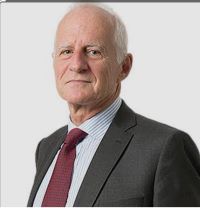
Charles Bremner worked for Reuters from 1975-1987 and was Chief Correspondent in Moscow at the time of the Chernobyl disaster. He has been at The Times ever since leaving Reuters, based in the United States, Brussels and Paris, where he is still a correspondent.
- « Previous
- Next »
- 24 of 615